














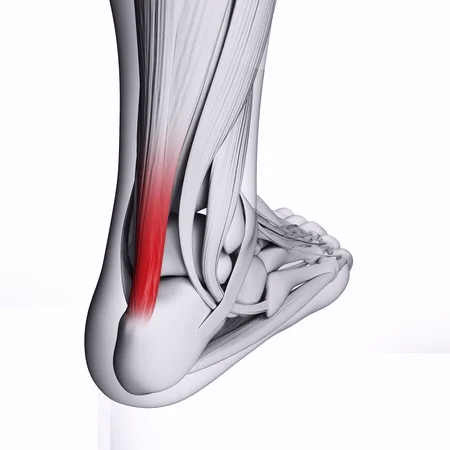
Achilles Lengthening and Gastrocnemius Recession
The tight heel cord is one of the root causes of many mechanically related foot and ankle conditions.
The tight heel cord is one of the root causes of many mechanically related foot and ankle conditions.
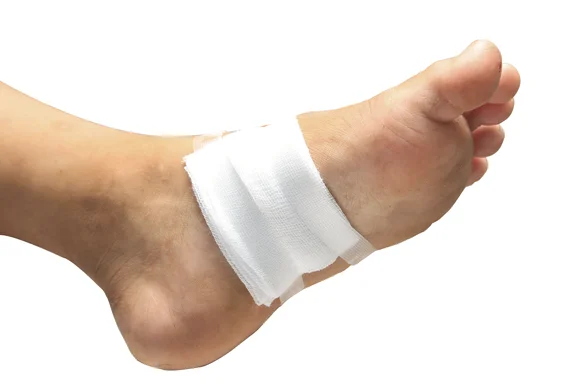
Wound care is particularly important for those with diabetes. It’s possible that what appears to be a small wound could turn into more severe foot complications down the road if left untreated.
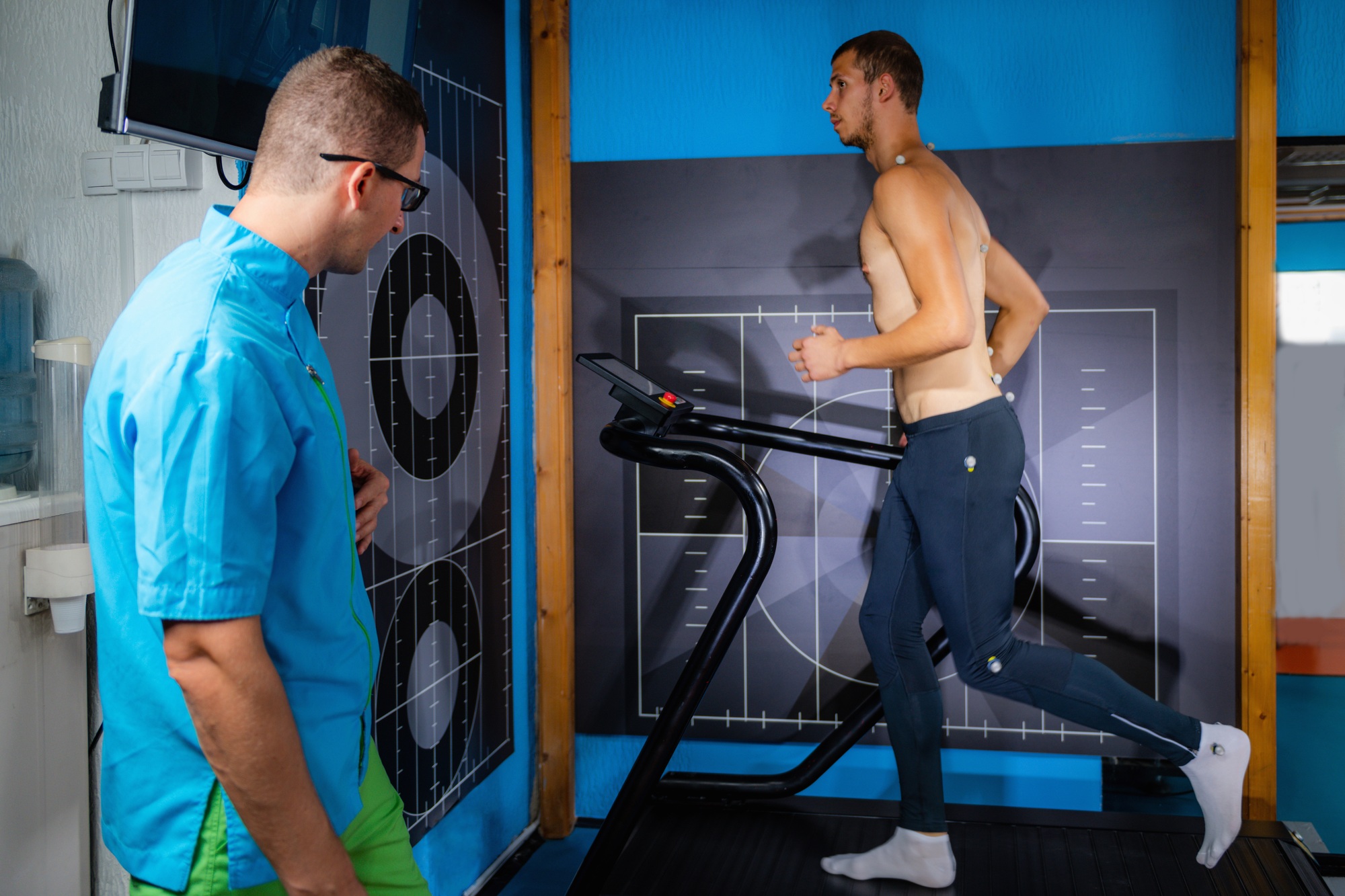
If you commonly participate in sporting activities and would like more information about how to keep your feet and ankles safe, as well as learn more about your treatment options if injured, we recommend you speak with a podiatrist for professional guidance and care.
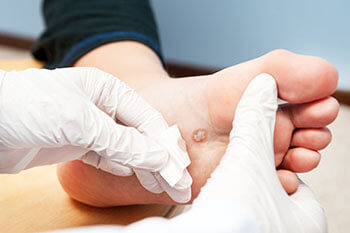
Plantar warts develop on the plantar areas of the feet, namely the soles or the bottom of the feet that bear weight.

If you’re feeling pain after sitting, walking, or standing for a long period of time, as well as when you first step out of bed or climb stairs, you may be showing signs of plantar fasciitis.

Integrative Foot and Ankle Centers of Washington is now offering Orpyx® SI Sensory Insoles, which help to prevent diabetic foot ulcers.

Has your life been put on hold because of peripheral neuropathy? Is it hard to sleep, walk and enjoy life? The Integrative Foot and Ankle Centers of Washington can help.

Morton’s neuroma may develop when the tissue around one of the nerves leading to your foot begins to thicken. When this occurs, you may experience some discomfort as if you were standing on a pebble stuck in your shoe.
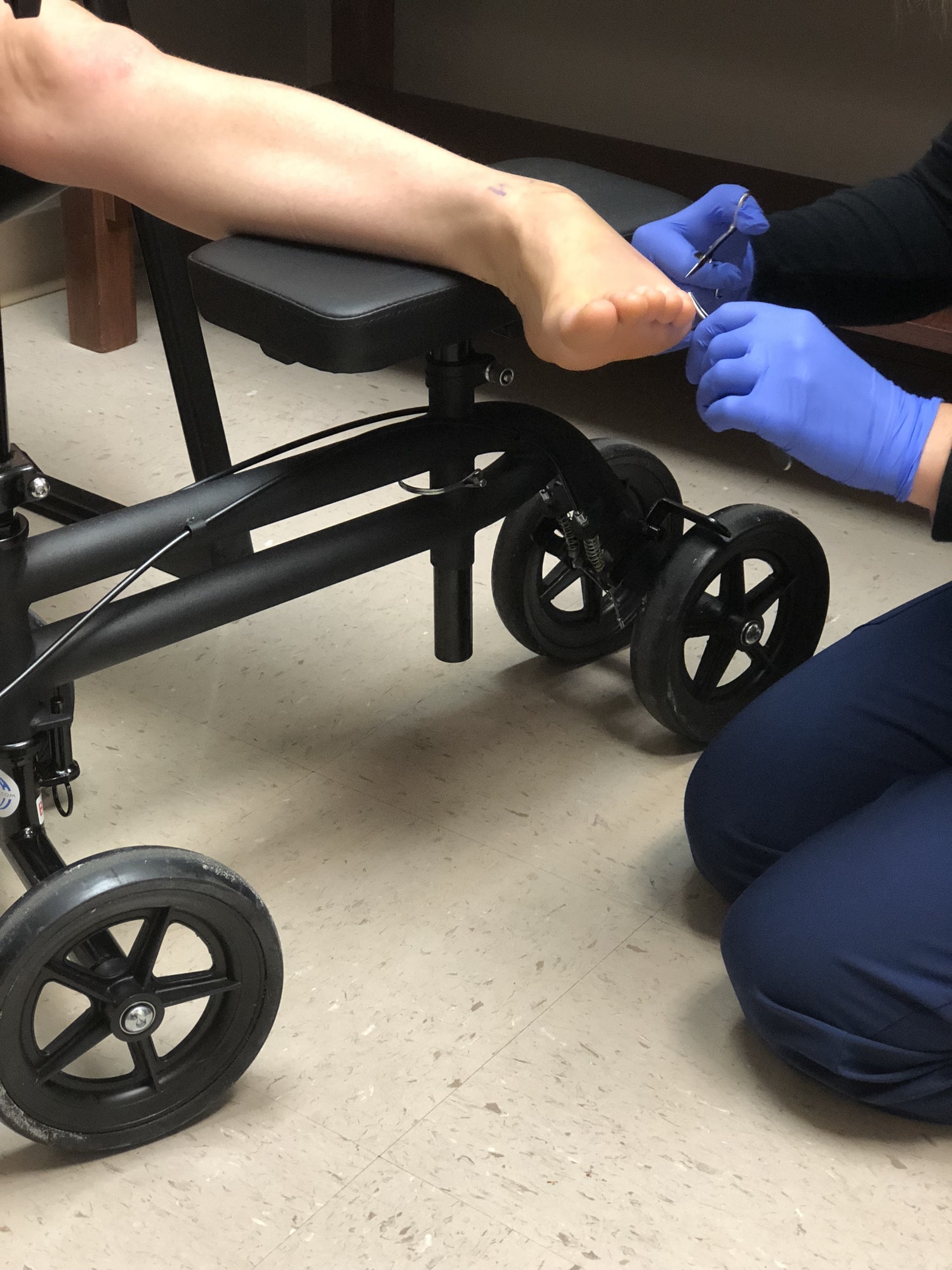
These procedures can be performed through extremely small incisions to correct many painful foot diseases and conditions, including bunions, hammertoes, stiff big toe, painful calluses, diabetic foot ulcerations, heel pain, warts, and much more.
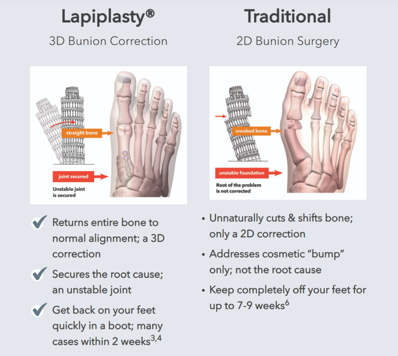
Bunions are complex deformities that can be very painful. Integrative Foot & Ankle Centers of Washington is pleased to offer a new, patented treatment for bunion correction—Lapiplasty® 3D Bunion Correction.

Ingrown toenails can form when the side of a toenail begins to grow into the flesh surrounding the nail. As a result, the affected toe—most commonly the big toe—may become red, swollen, painful, and in severe cases, infected.
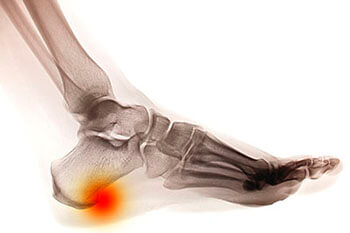
Heel spurs are brought upon by a calcium deposit that causes a bony protrusion on the underside of the heel bone.