

















Young woman wearing shoes
Haglund’s Deformity
Haglund’s deformity is often called “pump bump” because the rigid backs of pump-style shoes can create pressure that aggravates the enlargement when walking.
Haglund’s deformity is often called “pump bump” because the rigid backs of pump-style shoes can create pressure that aggravates the enlargement when walking.
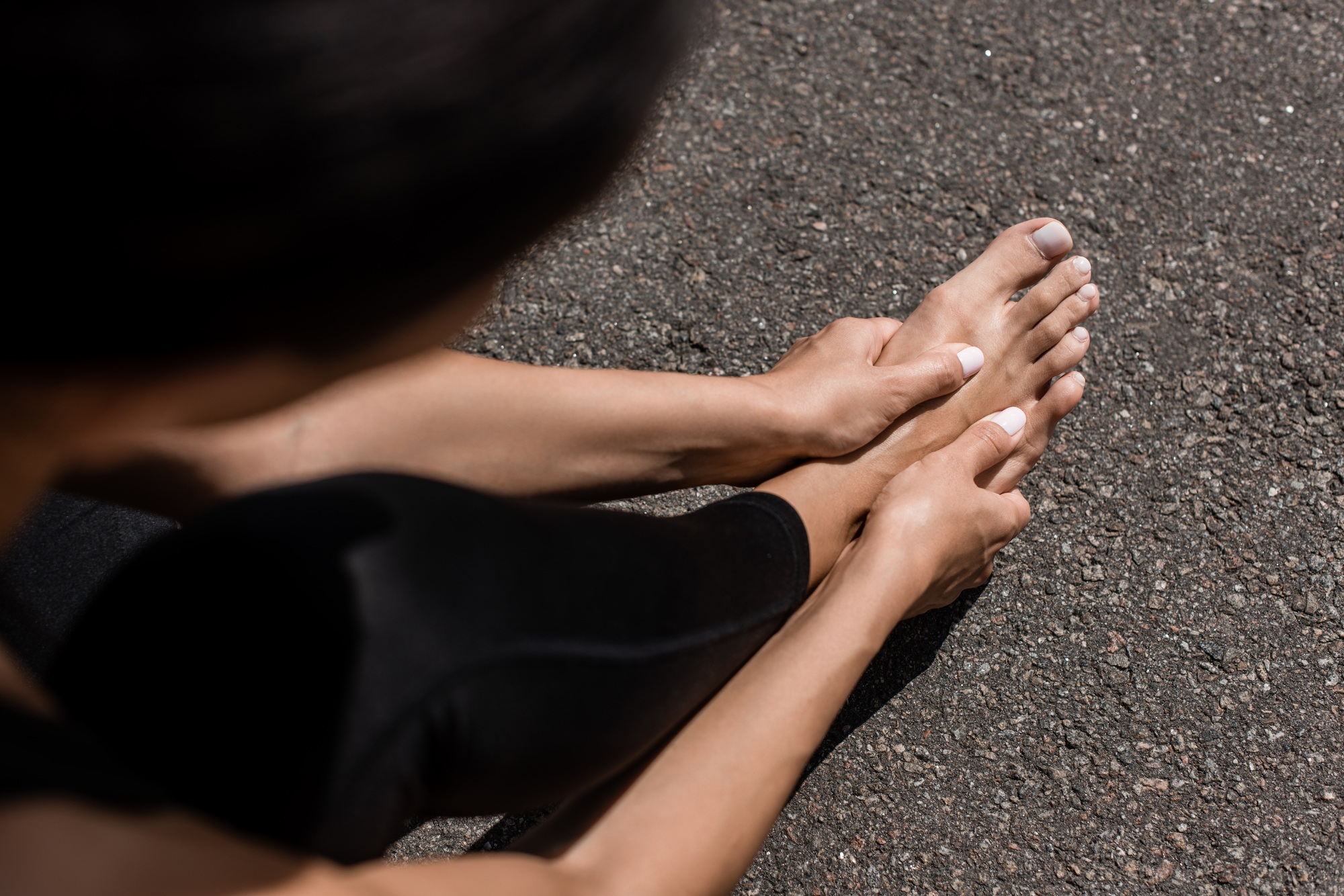
Ganglion cysts are among the most common benign soft-tissue masses. Although they most often occur on the wrist, they also frequently develop on the foot—usually on the top.

Hallux rigidus is a disorder of the joint located at the base of the big toe. It causes pain and stiffness in the joint, and with time, it gets increasingly harder to bend the toe.

Tailor’s bunion, also called a bunionette, is a prominence of the fifth metatarsal bone at the base of the little toe.

Flatfoot is common in both children and adults. When this deformity occurs in children, it is referred to as pediatric flatfoot. Although there are various forms of flatfoot, they all share one characteristic—partial or total collapse of the arch.

Chronic ankle instability is a condition characterized by a recurring giving way of the outer (lateral) side of the ankle. This condition often develops after repeated ankle sprains.

An Achilles tendon rupture is a partial or complete tear that occurs when the tendon is stretched beyond its capacity. Forceful jumping, falling, pivoting, or sudden accelerations of running, can overstretch the tendon and cause a tear.

If you are suffering from an injury to the Achilles tendon, do not hesitate to call us or request an appointment online. Our doctors are well-versed in this condition and can develop an effective treatment course to get you back in action as soon as possible.

Have you ever been told that you have poor circulation? Your restricted blood flow could be the sign of a more severe medical condition called Peripheral Vascular Disease (PVD).

The primary goal of children’s foot care is ensuring your daughter or son’s feet transition correctly and comfortably into adulthood.

We seek to address your ankle problems with treatments that are as conservative and minimally invasive as possible. While full surgery may be required in some cases, we do not opt for it unless it is absolutely necessary.
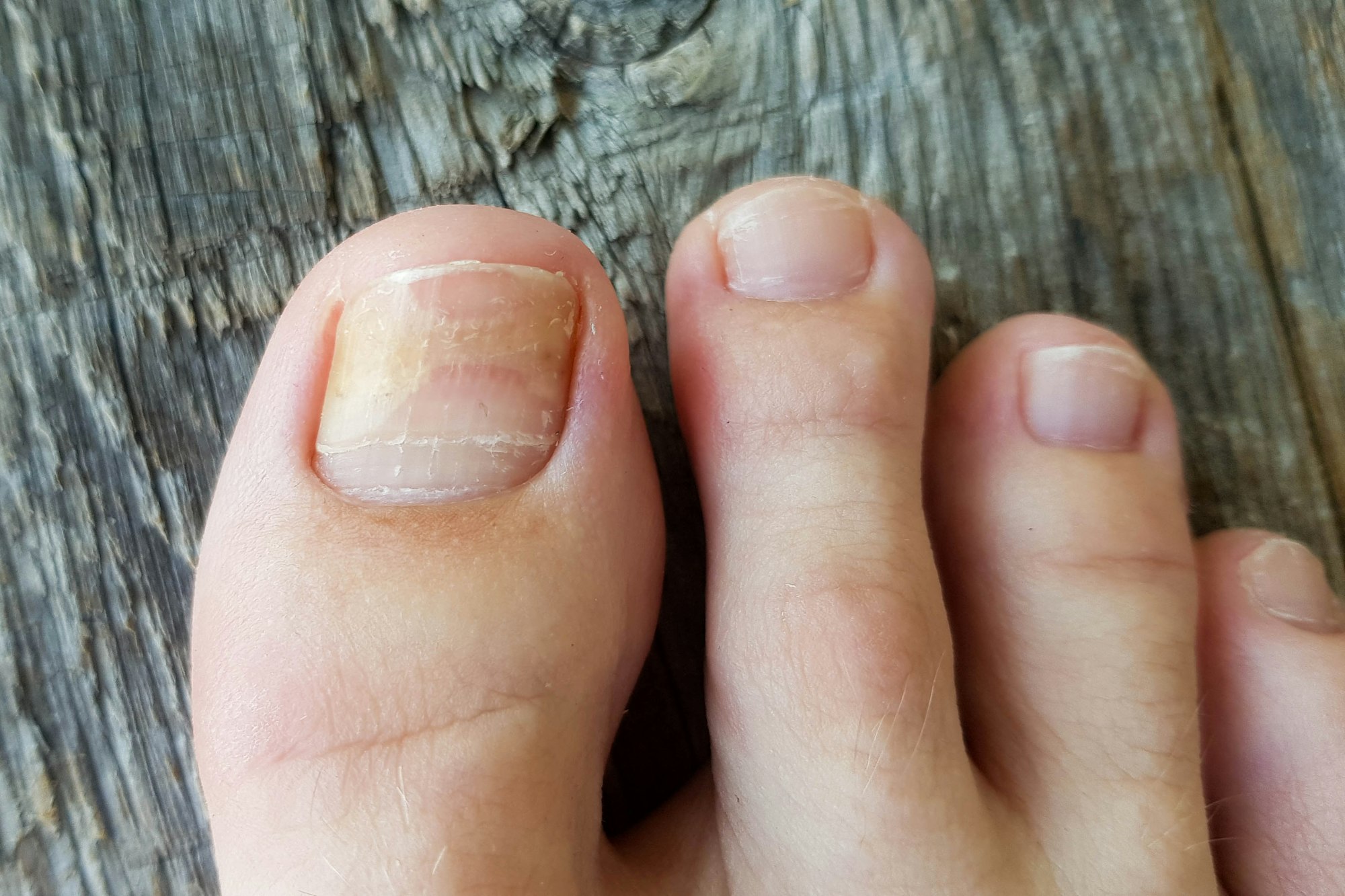
Treatment for nail fungus includes careful debridement (trimming) of the nails, thinning of the nail plate with a specialized “sanding” device, prescription topical antifungal medication, and in some cases, prescription oral medication.