

Table of Contents
Introduction
What is Patellar Tendinitis?
How Do I Know if I Have Patellar Tendinitis?
Typical signs of patellar tendinitis include:
- Pain directly below the kneecap, especially during activity
- Swelling or tenderness over the tendon
- Stiffness in the knee, especially in the morning or after sitting
- Pain that worsens with jumping, running, squatting, or climbing stairs
- Weakness in the quadriceps muscles
Early recognition and treatment are important to prevent worsening of the tendon damage.
Treatments for Patellar Tendinitis
Most cases improve with non-surgical treatment, including:
- Rest and activity modification to reduce strain on the tendon
- Ice and anti-inflammatory medications to relieve pain and swelling
- Physical therapy to strengthen the quadriceps, improve flexibility, and correct movement patterns
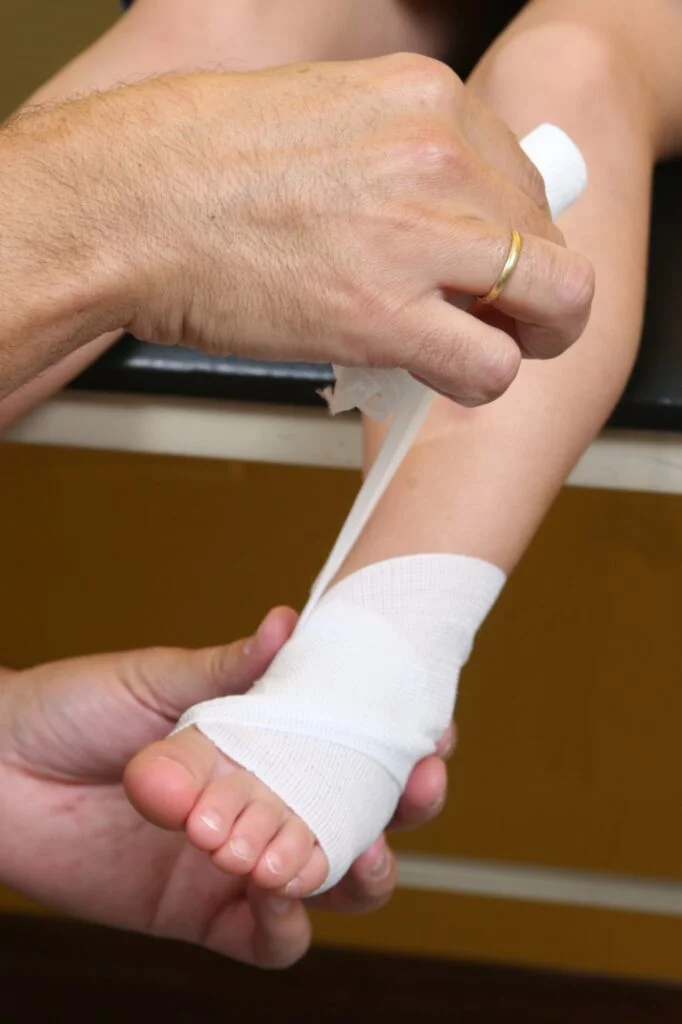
- Bracing or taping to support the tendon during activity
- Gradual return to sport under the supervision of a healthcare provider
Surgery is rarely needed and is reserved for persistent cases that do not respond to conservative care.
Do I Need Surgery?
Recovery and Prevention
References
Everhart JS, Cole D, Sojka JH, et al. Treatment Options for Patellar Tendinopathy: A Systematic Review. Arthroscopy. 2017;33(4):861-872. doi:10.1016/j.arthro.2016.11.007.
Figueroa D, Figueroa F, Calvo R. Patellar Tendinopathy: Diagnosis and Treatment. J Am Acad Orthop Surg. 2016;24(12):e184-e192. doi:10.5435/JAAOS-D-15-00703.
Larsson ME, Käll I, Nilsson-Helander K. Treatment of Patellar Tendinopathy–a Systematic Review of Randomized Controlled Trials. Knee Surg Sports Traumatol Arthroscop. 2012;20(8):1632-1646. doi:10.1007/s00167-011-1825-1.
Looking to schedule an appointment with a physician?
Schedule an appointment with us by calling now or by clicking the button below to begin requesting your appointment today!