

Table of Contents
Introduction
What is Lateral Epicondylitis (Tennis Elbow)?
Treatments for Lateral Epicondylitis
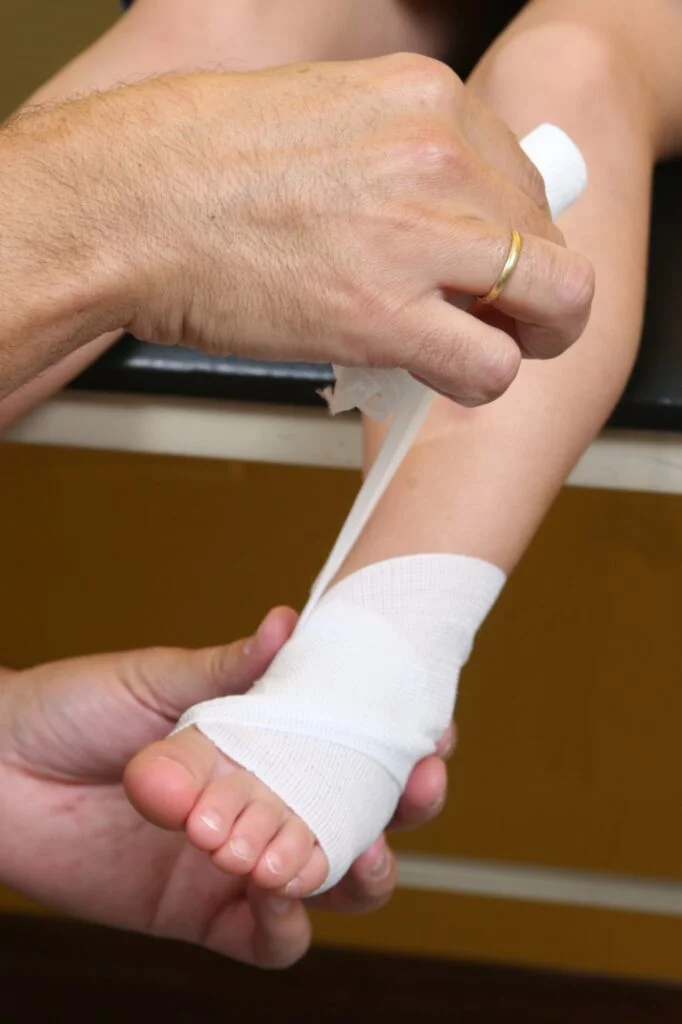
Non-surgical treatments are successful for most patients and may include:
- Rest and activity modification to reduce strain on the tendon
- Ice and anti-inflammatory medications to ease pain and swelling
- Bracing or forearm straps to decrease tension on the injured tendon
- Physical therapy to strengthen the forearm muscles and improve flexibility
- Stretching exercises to reduce tendon stress
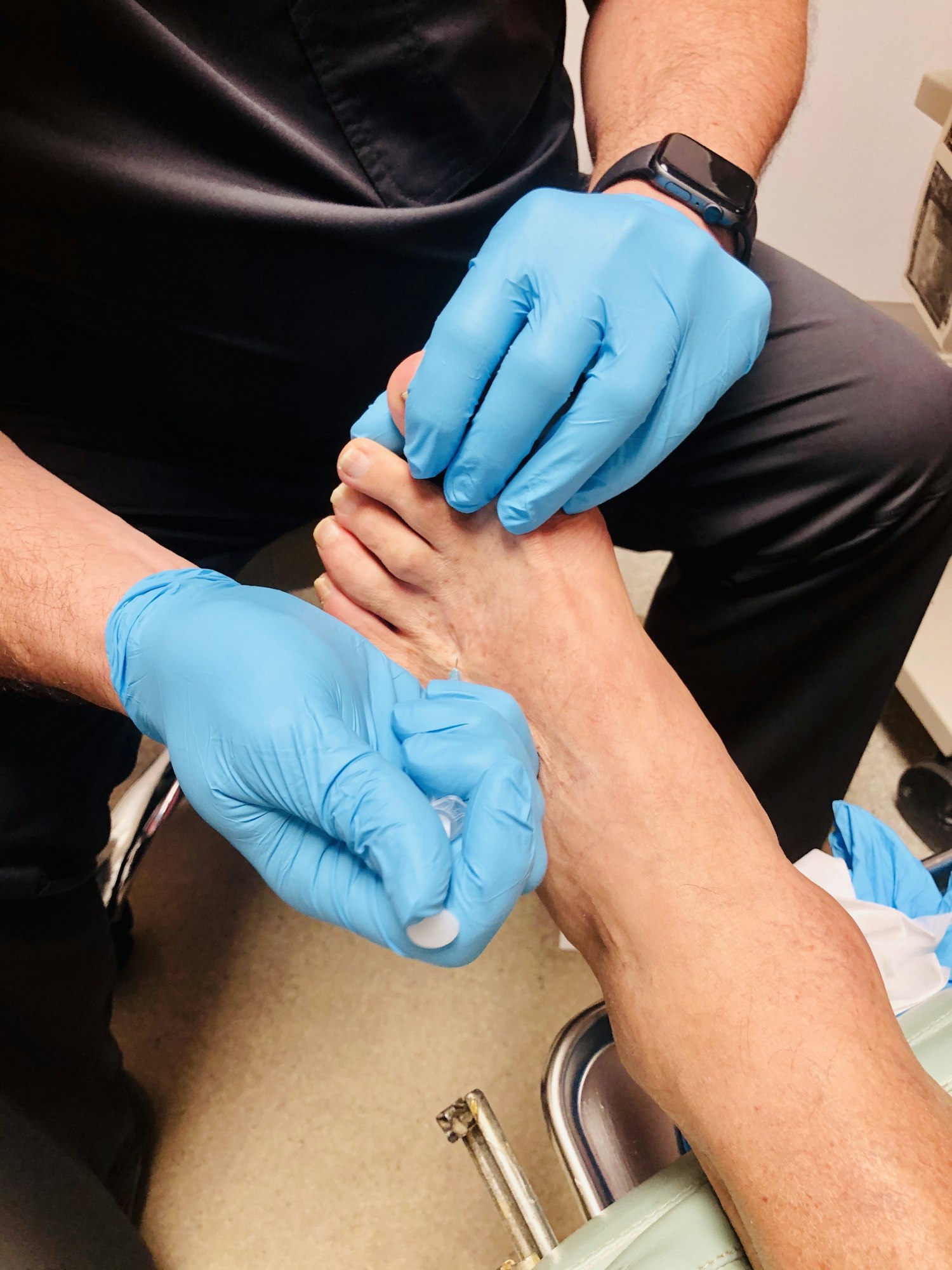
- Corticosteroid or biologic injections for persistent symptoms
Treatment focuses on reducing pain, improving strength, and allowing the tendon to heal.
Do I Need Surgery?
Recovery and Rehabilitation
Recovery time depends on the severity of the injury and how well your tendon responds to treatment. Most patients improve gradually over several weeks to a few months. Rehabilitation is an important part of healing and typically includes strengthening, stretching, and activity guidance.
The orthopedic specialists at Premier Podiatry and Orthopedics will work closely with you to develop a personalized recovery plan so you can regain strength, prevent recurrence, and confidently return to your normal activities.
References
Calfee RP, Patel A, DaSilva MF, Akelman E. Management of Lateral Epicondylitis: Current Concepts. J Am Acad Orthop Surg. 2008;16(1):19-29. doi:10.5435/00124635-200801000-00004.
Tosti R, Jennings J, Sewards JM. Lateral Epicondylitis of the Elbow. Am J Med. 2013;126(4):357.e1-6. doi:10.1016/j.amjmed.2012.09.018.
Konarski W, Poboży T. A Clinical Overview of the Natural Course and Management of Lateral Epicondylitis. Orthopedics. 2023;46(4):e210-e218. doi:10.3928/01477447-20230329-05.
Looking to schedule an appointment with a physician?
Schedule an appointment with us by calling now or by clicking the button below to begin requesting your appointment today!