

Table of Contents
Introduction
What is the Shoulder Labrum?
What Are the Symptoms of a Labral Injury?
Common symptoms include:
- A deep ache inside the shoulder
- Clicking, popping, or catching sensations
- Feeling like the shoulder could slip or give way
- Pain during lifting, reaching, or overhead activities
- Decreased strength and range of motion
These symptoms may come and go or worsen with certain movements.
How Do I Know if I Have an Injured Labrum?
A labral injury is diagnosed through:
- A physical examination to check strength, stability, and painful movements
- Imaging such as an MRI or MRI with contrast, which provides detailed images of the labrum
- Your symptom history, including when the pain started and what makes it worse
Because symptoms can mimic other shoulder conditions, a proper evaluation is important.
Treatments for Labral Injuries
Treatment depends on the type and severity of the tear. Options include:
- Physical therapy to strengthen the shoulder muscles, improve stability, and reduce pain
- Activity modification to avoid motions that irritate the shoulder
- Anti-inflammatory medications to help manage pain and swelling
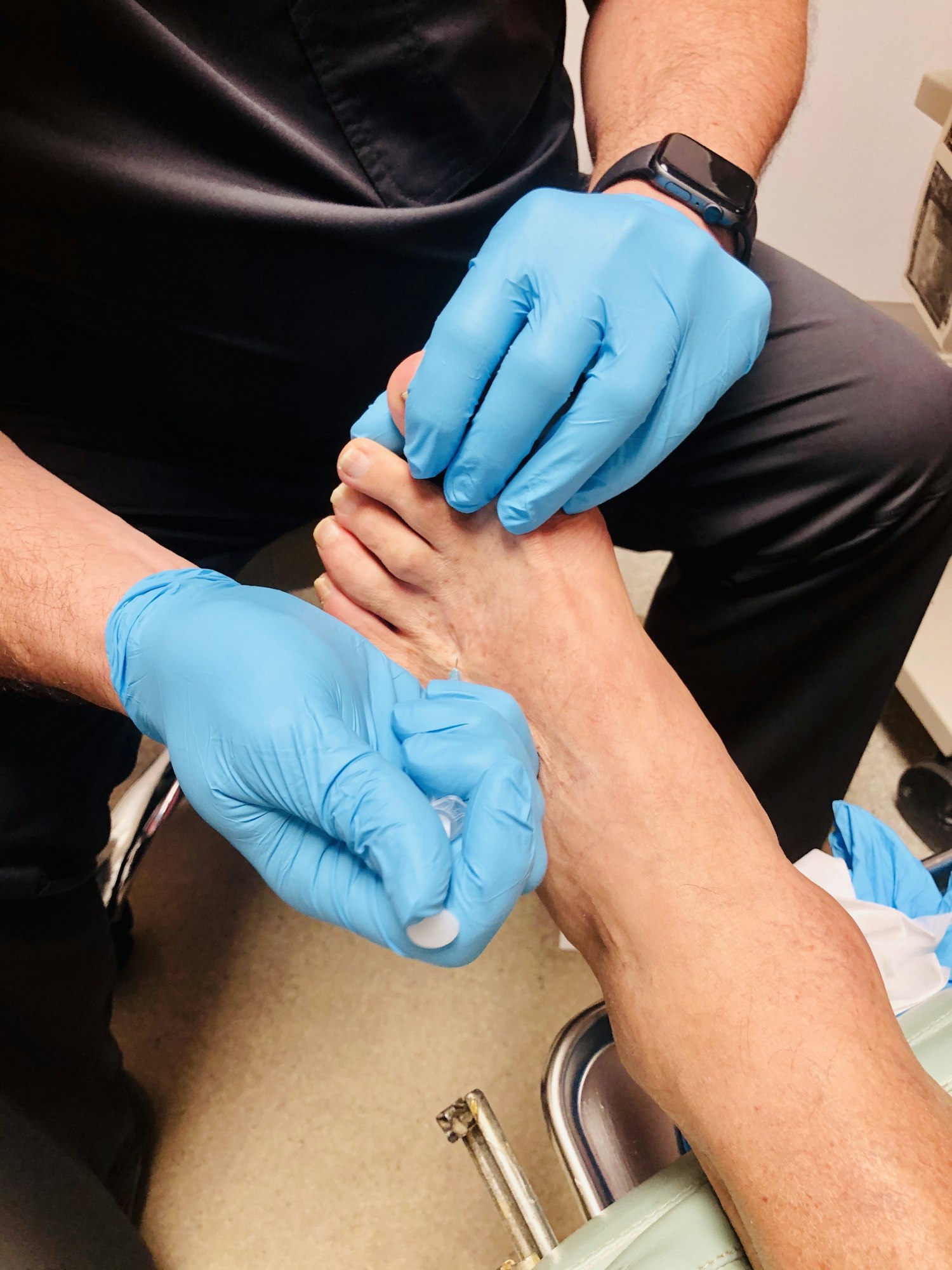
- Corticosteroid injections if conservative treatment does not provide enough relief
Severe or persistent tears may require surgery to repair the torn tissue.
Recovery and Rehabilitation
References
Keener JD, Brophy RH. Superior Labral Tears of the Shoulder: Pathogenesis, Evaluation, and Treatment. J Am Acad Orthop Surg. 2009;17(10):627-637. doi:10.5435/00124635-200910000-00005.
Knesek M, Skendzel JG, Dines JS, et al. Diagnosis and Management of Superior Labral Anterior Posterior Tears in Throwing Athletes. Am J Sports Med. 2013;41(2):444-460. doi:10.1177/0363546512466067.
Nam EK, Snyder SJ. The Diagnosis and Treatment of Superior Labrum, Anterior and Posterior (SLAP) Lesions. Am J Sports Med. 2003;31(5):798-810. doi:10.1177/03635465030310052901.