Table of Contents
Introduction
Trigger finger, also called stenosing tenosynovitis, occurs when the tendon that bends a finger becomes irritated or inflamed. This can make the finger catch, lock, or snap when you try to move it. The condition is common and often affects people who perform repetitive hand movements, such as typing, gripping, or using tools. Early treatment can help prevent worsening symptoms and restore normal hand function.
What is Trigger Finger?
The tendons in your fingers are surrounded by protective sheaths that help them glide smoothly. In trigger finger, the tendon becomes swollen or the sheath narrows, causing the tendon to catch or lock as the finger moves. This can result in pain, stiffness, and a popping or clicking sensation.
How Do I Know if I Have Trigger Finger?
Symptoms of trigger finger may include:
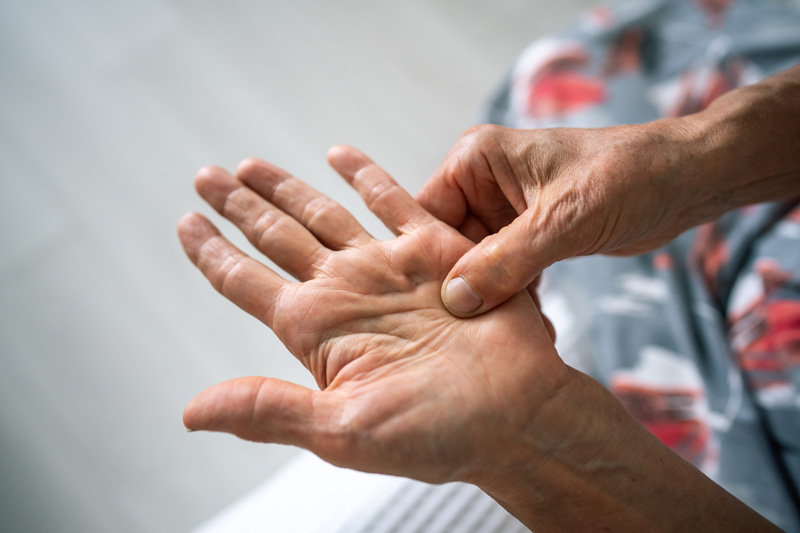
- Pain or tenderness at the base of the affected finger or thumb
- A catching or locking sensation when bending or straightening the finger
- Stiffness, especially in the morning
- A bump at the base of the finger where the tendon is inflamed
Treatments for Trigger Finger
Mild cases often improve with non-surgical treatments, such as:
- Rest and activity modification to reduce strain on the tendon
- Splints or braces to keep the finger straight and reduce irritation
- Anti-inflammatory medications to relieve pain and swelling
- Corticosteroid injections to reduce inflammation and improve movement
Do I Need Surgery?
Surgery may be recommended if symptoms persist despite conservative treatment or if the finger continues to lock or catch. Surgical release involves opening the tendon sheath to allow the tendon to glide smoothly. The procedure is typically quick and effective, restoring full motion to the finger.
Recovery and Rehabilitation
Recovery depends on the severity of the condition and whether surgery is performed. After non-surgical treatment, symptoms often improve within weeks. After surgery, therapy may include gentle exercises to restore motion, reduce stiffness, and strengthen the finger. The orthopedic specialists at Premier Podiatry and Orthopedics will guide your recovery, ensuring you regain full function and can safely return to your daily activities and work tasks.
References
Gil JA, Hresko AM, Weiss AC. Current Concepts in the Management of Trigger Finger in Adults. J Am Acad Orthop Surg. 2020;28(15):e642-e650. doi:10.5435/JAAOS-D-19-00614.
Wang J, Zhao JG, Liang CC. Percutaneous Release, Open Surgery, or Corticosteroid Injection, Which Is the Best Treatment Method for Trigger Digits? Clin Orthop Relat Res. 2013;471(6):1879-1886. doi:10.1007/s11999-012-2716-6.
Giugale JM, Fowler JR. Trigger Finger: Adult and Pediatric Treatment Strategies. Orthop Clin North Am. 2015;46(4):561-569. doi:10.1016/j.ocl.2015.06.014.
Looking to schedule an appointment with a physician?
Schedule an appointment with us by calling now or by clicking the button below to begin requesting your appointment today!