
Medial Epicondylitis (Golfer’s Elbow)

Golfer’s elbow can make gripping, lifting, or even daily tasks uncomfortable. The orthopedic specialists at Premier Podiatry and Orthopedics are here to help you find relief and regain comfortable, confident movement.
Medial Epicondylitis (Golfer’s Elbow)

Medial Epicondylitis (Golfer’s Elbow)

Office Hours

Monday
Tuesday
Wednesday
Thursday
Friday
Saturday
Sunday

Table of Contents

Introduction

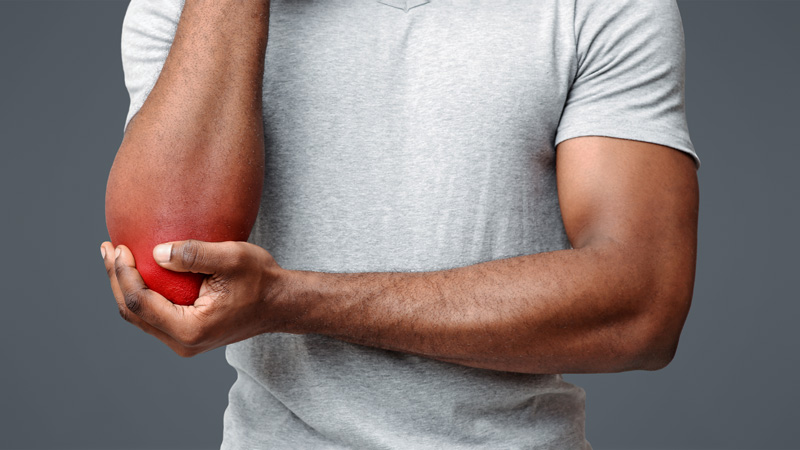
Golfer’s elbow, also known as medial epicondylitis, is an irritation of the tendons on the inside of the elbow. Despite its name, it affects far more than golfers. Anyone who performs repetitive gripping, wrist flexion, or twisting motions can develop this condition. It often starts gradually and can worsen over time without proper care. Most people recover with simple treatment strategies when the injury is identified early.

What is Golfer’s Elbow (Medial Epicondylitis)?

Golfer’s elbow occurs when the tendons that attach to the inner elbow become strained or overloaded. These tendons help with gripping and bending the wrist. Repeated stress can cause small tendon tears, leading to pain, stiffness, and weakness in the inner elbow and forearm. Some people notice pain when lifting objects, turning doorknobs, shaking hands, or swinging a racquet or hammer.

Treatments for Golfer’s Elbow

Most patients improve with non-surgical care, such as:

  • Rest and activity changes to reduce tendon irritation
  • Ice and anti-inflammatory medications to decrease pain and swelling
  • Bracing or counterforce straps to reduce stress on the affected tendon
  • Physical therapy to strengthen the forearm muscles and improve flexibility
  • Stretching exercises to restore normal tendon movement
  • Corticosteroid or biologic injections for persistent or severe pain

These treatments help calm inflammation, improve strength, and encourage the tendon to heal properly.

Do I Need Surgery?

Surgery is rarely needed for golfer’s elbow. It may be considered when symptoms last several months despite consistent therapy and other conservative treatments. Surgery involves removing damaged tendon tissue and encouraging healthy tendon healing. Your provider will discuss whether surgery is appropriate based on your condition and activity level.

Recovery and Rehabilitation

Recovery depends on the severity of the injury and the type of treatment provided. Many patients see improvement within a few weeks to a few months. Rehabilitation focuses on strengthening the forearm, improving flexibility, and gradually returning to normal activities. The orthopedic specialists at Premier Podiatry and Orthopedics will guide your recovery plan to help you regain strength, reduce the risk of recurrence, and safely return to the tasks and activities that matter to you.

References

Amin NH, Kumar NS, Schickendantz MS. Medial Epicondylitis: Evaluation and Management. J Am Acad Orthop Surg. 2015;23(6):348-355. doi:10.5435/JAAOS-D-14-00145.

Vinod AV, Ross G. An Effective Approach to Diagnosis and Surgical Repair of Refractory Medial Epicondylitis. J Shoulder Elbow Surg. 2015;24(8):1172-1177. doi:10.1016/j.jse.2015.03.017.

Arevalo A, Rao S, Willier DP, et al. Surgical Techniques and Clinical Outcomes for Medial Epicondylitis: A Systematic Review. Am J Sports Med. 2023;51(9):2506-2515. doi:10.1177/03635465221095565.

Looking to schedule an appointment with a physician?

Schedule an appointment with us by calling now or by clicking the button below to begin requesting your appointment today!

Other Services

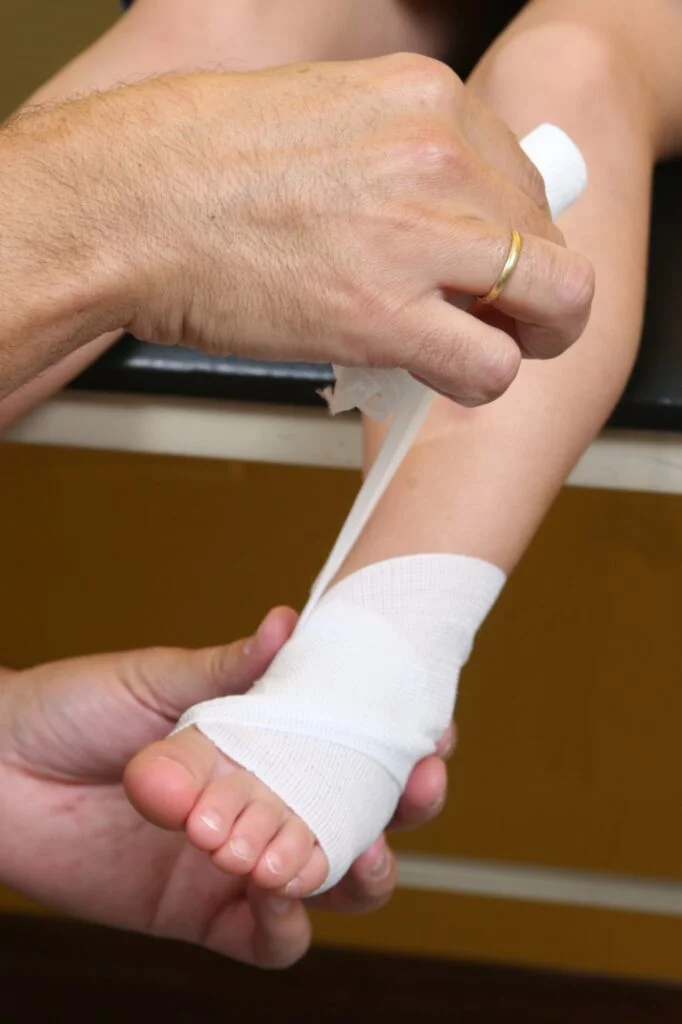
Doctor performing an ankle bandage on a girl