
Table of Contents
Introduction
What Are the Symptoms of Labral Tears?
- Deep groin or hip pain, especially with activity
- A clicking, locking, or catching sensation in the hip
- Stiffness or reduced range of motion
- Pain when sitting for long periods or during certain movements
- Discomfort that worsens with running, twisting, or pivoting
How Do I Know if I Have a Labral Tear?
Diagnosis usually involves a combination of a physical exam and imaging tests. Your doctor may:
- Ask about your symptoms and activities that trigger pain
- Perform maneuvers that stress the hip to see if they reproduce pain or clicking
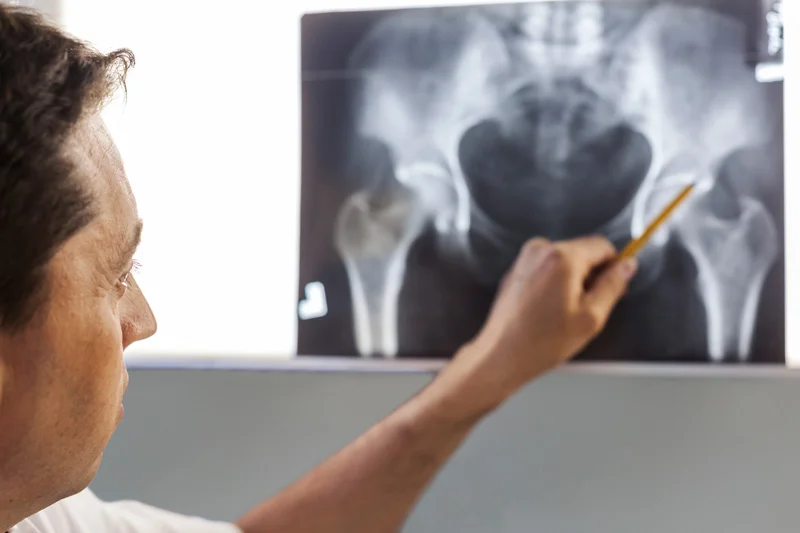
- Order imaging tests such as MRI or MR arthrogram to confirm the tear and evaluate its severity
Treatments for Labral Tears
Treatment depends on the severity of the tear and your symptoms:
- Non-surgical care: Rest, activity modification, physical therapy, and anti-inflammatory medications can reduce pain and improve hip function.
- Surgical treatment: If conservative measures fail, hip arthroscopy may be recommended to repair or remove the torn labrum and smooth the joint surfaces. Surgery aims to relieve pain, restore mobility, and prevent further joint damage.
References
Robertson WJ, Kadrmas WR, Kelly BT. Arthroscopic Management of Labral Tears in the Hip: A Systematic Review of the Literature. Clin Orthop Relat Res. 2007;455:88-92. doi:10.1097/BLO.0b013e31802c7e0f.
Domb BG, Hartigan DE, Perets I. Decision Making for Labral Treatment in the Hip: Repair Versus Débridement Versus Reconstruction. J Am Acad Orthop Surg. 2017;25(3):e53-e62. doi:10.5435/JAAOS-D-16-00144.
Maldonado DR, Monahan PF, Domb BG. Restoration of Labral Function in Primary Hip Arthroscopy From Labral Repair to Labral Reconstruction. Arthroscopy. 2021;37(10):3013-3015. doi:10.1016/j.arthro.2021.08.003.
Looking to schedule an appointment with a physician?
Schedule an appointment with us by calling now or by clicking the button below to begin requesting your appointment today!